Restoring Attic Insulation after Water Damage
Water damage in the attic can lead to a variety of issues, including damage to the insulation. Restoring attic insulation after water damage is an important step in returning your home to its pre-damage condition. It not only helps maintain the energy efficiency of your home but also prevents the growth of mold and protects the structural integrity of your property.
Assessing the Damage
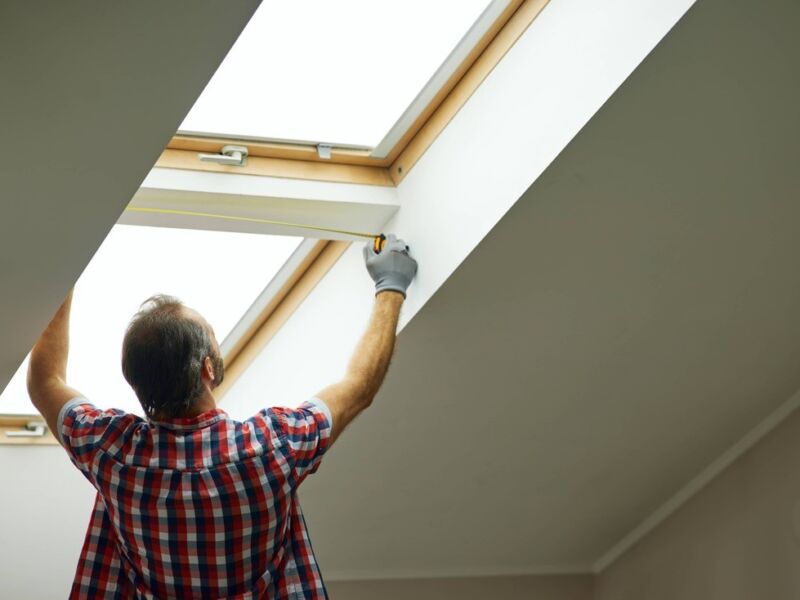
Before you begin the process of restoring the attic insulation, it’s essential to assess the extent of the damage. Look for signs of water damage, such as wet or discolored insulation, sagging ceilings, or a musty odor. In some cases, you may also notice the growth of mold or mildew.
Removing Damaged Insulation
The next step in restoring attic insulation is to remove the damaged insulation. Start by wearing protective gear, such as gloves, goggles, and a mask, to ensure your safety. Use a utility knife or a insulation removal vacuum to carefully remove the wet or damaged insulation. Dispose of it properly to prevent further contamination.
Drying and Dehumidifying the Attic
After removing the damaged insulation, it’s crucial to dry and dehumidify the attic to prevent mold growth and further damage. Use fans, dehumidifiers, and open windows to increase airflow and reduce humidity levels. It’s also advisable to address any underlying issues that may have caused the water damage, such as fixing roof leaks or improving attic ventilation.
Installing New Insulation
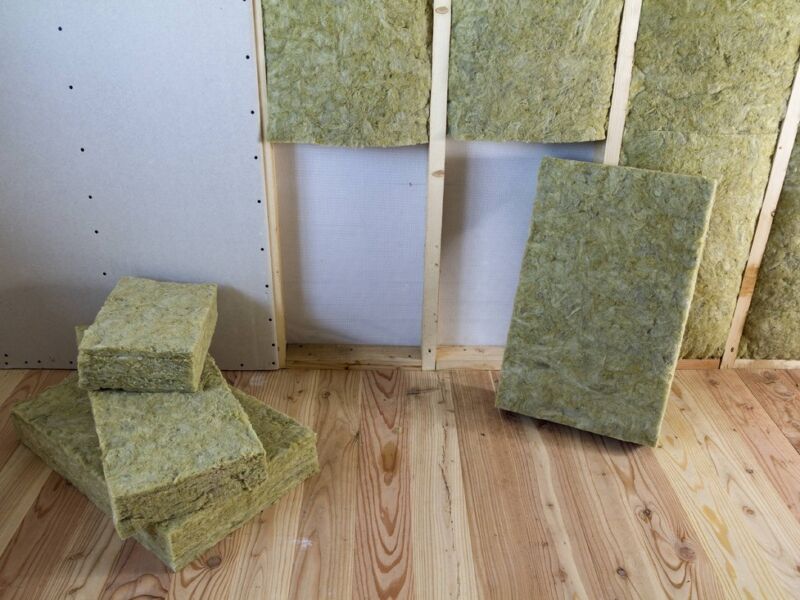
Once the attic is completely dry, it’s time to install new insulation. Consider the R-value (insulating effectiveness) and type of insulation suitable for your climate. Common types of insulation include fiberglass batts, loose-fill cellulose, and spray foam. It’s essential to follow the manufacturer’s instructions and local building codes while installing the insulation.
Sealing Air Leaks
In addition to installing new insulation, sealing air leaks in the attic is crucial to ensure optimal energy efficiency. Look for gaps, cracks, or holes in the attic floor, walls, and ceiling. Use caulk, weatherstripping, or foam insulation to seal these leaks and prevent the loss of conditioned air.
Maintaining Attic Insulation
After restoring attic insulation, it’s essential to maintain it to prevent future issues. Regularly inspect the attic for signs of water damage, mold growth, or insulation deterioration. Ensure proper attic ventilation, clean the gutters regularly, and address any roof or plumbing issues promptly. Additionally, consider adding insulation covers or barriers to protect against moisture and pests.
Why Choose Water Damage Restoration Pros of Las Vegas?
When it comes to professional attic repair, renovation, and restoration services in Las Vegas, Water Damage Restoration Pros is the go-to choice. With our team of experienced professionals and advanced techniques, we provide comprehensive solutions to restore your attic insulation after water damage. We offer attic insulation services, attic cleaning, leak repair, waterproofing, ventilation solutions, mold removal, rodent control, and structural repairs.
At Water Damage Restoration Pros, we prioritize customer satisfaction and ensure a seamless restoration process. Our team is trained in the latest industry standards and uses state-of-the-art equipment to deliver high-quality results. We understand the urgency of attic repair and restoration and strive to provide prompt and efficient services.
Contact Water Damage Restoration Pros of Las Vegas at 725-210-8500 for expert attic repair and restoration services. Visit our website to learn more about our attic repair services in Spring Valley, NV. You can also explore our other services, such as water damage repair, fire damage repair, mold removal, and reconstruction restoration.
Frequently Asked Questions
What are the signs of water damage in the attic?
What type of insulation is suitable for attic repair?
Why should I hire Water Damage Restoration Pros of Las Vegas for attic repair?
References: